
Study: Innovative 'cool pavements' can help negate climate change effects
Amy Born | September 01, 2021The urban heat island effect is a phenomenon caused by an excess of densely built, impermeable surfaces that absorb solar radiation and, in turn, re-emit that radiation as heat, warming surroundings and increasing air temperature by up to 7° F. The additional heat contributes to health and environmental risks. Pavements, which cover about 40% of American cities, greatly contribute to the heat island effect.
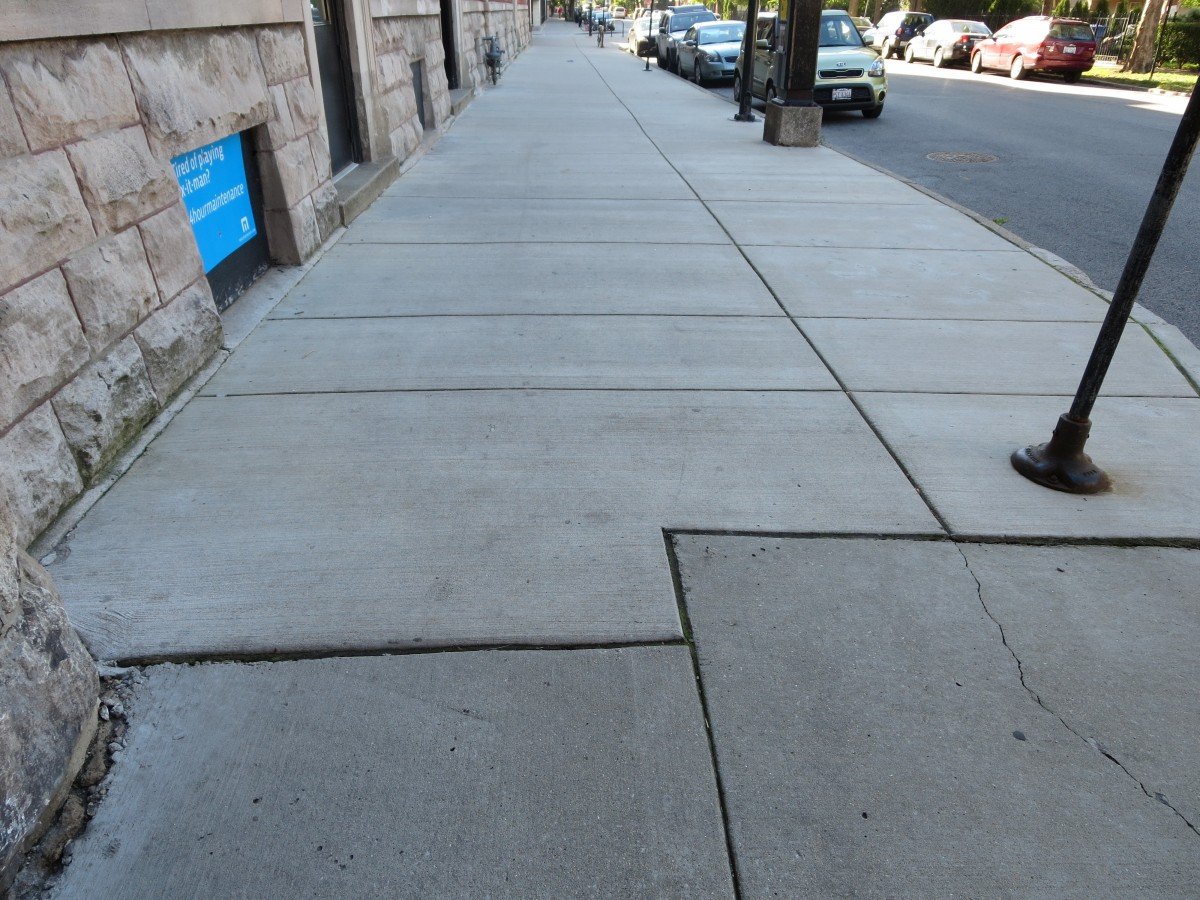 Research conducted at the MIT Concrete Sustainability Hub (MIT CSHub) looks at how to reverse the effect by examining how surfaces can reflect solar radiation and emit less heat. The research focuses on “cool pavements” that do just that.
The study conducted by current and former MIT CSHub researchers found that cool pavements can lower air temperatures in Boston by up to 3° F and in Phoenix by 3.7° F, and also cut total carbon dioxide emissions by as much as 3% in Boston and 6% in Phoenix. The implementation of cool pavement to achieve these results involves selecting strategies based on the climate, traffic and building configurations of neighborhoods.
The science of cool pavements centers on the concept that how hot a surface becomes from absorbing sunlight depends on how dark it is. This is measured with a metric known as “albedo.”
"Albedo is a measure of surface reflectivity," explains Hessam AzariJafari, the paper's lead author and a postdoc at the MIT CSHub. "Surfaces with low albedo absorb more light and tend to be darker, while high-albedo surfaces are brighter and reflect more light."
Paving surfaces such as conventional asphalt have a low albedo. They absorb more radiation and emit more heat than cool pavements which are made with brighter, more reflective materials. Cool pavements reflect more than three times as much radiation and, as a result, re-emit much less heat.
"We can build cool pavements in many different ways," says Randolph Kirchain, a researcher in the Materials Science Laboratory and co-director of the CSHub. "Brighter materials like concrete and lighter-colored aggregates offer higher albedo, while existing asphalt pavements can be made 'cool' through reflective coatings."
The analysis of pavements in Boston and Phoenix considered these options and outcomes when conventional asphalt (which accounts for more than 95% of pavements worldwide) was replaced with concrete, reflective asphalt and reflective concrete.
The study looked beyond paving materials for a comprehensive understanding of the benefits cool pavements have on the environment as well.
"The one direct impact is radiative forcing," notes AzariJafari. "By reflecting radiation back into the atmosphere, cool pavements exert a radiative forcing, meaning that they change the Earth's energy balance by sending more energy out of the atmosphere—similar to the polar ice caps."
The researchers also examined how all pavement types affect vehicle fuel consumption due to surface qualities, stiffness, and deterioration rate, and how cool pavements alter energy use in adjacent buildings.
"On the one hand, by lowering temperatures, cool pavements can reduce some need for AC [air conditioning] in the summer while increasing heating demand in the winter," says AzariJafari. "Conversely, by reflecting light—called incident radiation—onto nearby buildings, cool pavements can warm structures up, which can increase AC usage in the summer and lower heating demand in the winter."
Significant experiments with cool pavements have been conducted in places like Los Angeles, but the technology has not been widely implemented. The CSHub team hopes their research will help cities implement cool paving projects in the future to help offset the impacts of a changing climate.
"Though the climate change impacts we studied have proven numerous and often at odds with each other, our conclusions are unambiguous: Cool pavements could offer immense climate change mitigation benefits for both cities," says Kirchain.
The study is published in Environmental Science & Technology (2021)

We used to get that same effect by burning rubbish at the dump...but I think painting all the roads white every year would work well...cost ? A trillion dollars a year? who knows...but isn't an ice age coming? Maybe we could just let it all play out and see how that goes first....?
We want to absorb and re-radiate heat during heating season, and reflect it during cooling season. Is it possible to develop a durable surface with an albedo that increases with temperature?
An easier way to handle the problem is to plant deciduous trees up-sun of the pavement, if sufficient water is available. Shade in the summer, heat absorption by the pavement in the winter, and incorporation of more carbon in the ecosystem - that's all good.
The hard part is figuring out how to retrofit the wall-to-wall pavement in most urban downtown areas. Maybe hydroponically grown vines on trellises over the pavement would work - some R&D on freeze-tolerant hydroponic systems would be in order for that. Another possibility is to shade the streets with PV panels, but that won't be as effective at mitigating urban heat island effects as plants.