Hydrogen storage system to keep food chain cool
S. Himmelstein | June 14, 2021A three-year project launched by the University of Nottingham will carve out a place for hydrogen in the food cold chain of the U.K. A dual-duty hydrogen storage system is under development to drive a fuel cell to power the refrigeration requirements of commercial food operations.
The technology can help improve the energy efficiency and sustainability of such operations, including deployment of refrigerated trucks, which currently account for up to 60% of electricity consumption and 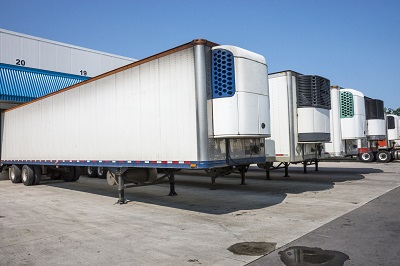 Source: University of Nottingham1.2% of national carbon dioxide emissions.
The dual-use hydrogen storage system will be designed with an intermetallic alloy formulated to offer the hydrogen gravimetric/volumetric density and the pressure at which hydrogen can be supplied to a fuel cell across cooling temperatures relevant to the food cold chain.
The evolving hydrogen storage and use system is expected to reduce the dependency of the food cold chain sector on imported energy and to foster greater adoption of hydrogen fuel cells for heavy goods vehicle applications.
According to project lead Dr. Sanliang Ling, “We aim to develop integrated hydrogen storage technologies that will simultaneously provide the controlled release of hydrogen to service fuel cell power needs and direct cooling. Our new technology provides an opportunity to assist in the decarbonization of the U.K. food cold chain from farm to fork. This is essential as heating and cooling accounts for over a third of CO2 emissions in the UK."