Researchers test for drowsy driving
Marie Donlon | May 18, 2021Researchers from Australia’s Monash University have determined that drivers with just three hours or less of sleep in a 24 hour period have a 10 times greater chance of being involved in a car crash.
To determine this threshold, the researchers conducted tests using pupil scanning technology to measure the involuntary movement of a driver’s pupils — an indicator of fatigue.
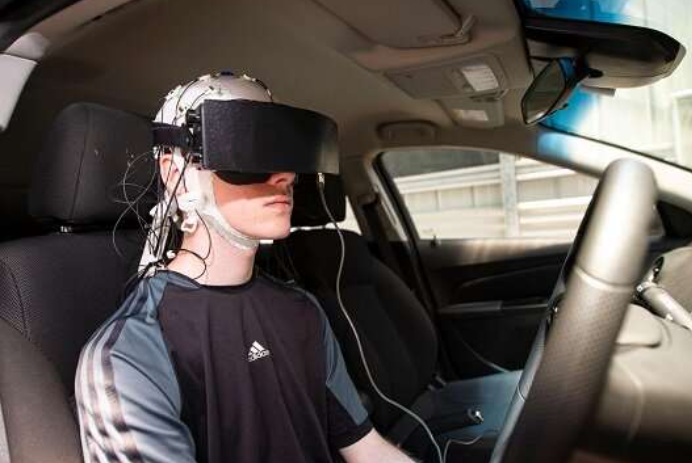 Source: Monash University
To accurately predict the level of sleep loss most associated with driving impaired by sleep deprivation, the team kept 43 trial participants awake for as much as 32 hours ahead of two-hour driving sessions on a controlled track. The team also conducted a separate set of tests wherein participants were restricted to three-hour, five-hour and then eight-hour sleep intervals.
The Monash team determined that those with three hours or less of sleep represented a greater car crash risk than their better rested counterparts. This was based on the pupil scanning data and data from a host of behavioral, physiological and driver performance data collected via brain electrical activity, lane deviations, speed variations and changes in reaction time.