Study: Remote learning allows students to be more creative and innovative
Siobhan Treacy | March 31, 2021Researchers from the University of Michigan conducted a two-year study on how remote learning affects student’s creativity. The study started years before COVID-19 developed, but the pandemic pushed their study even further. What they found surprised the team.
The research started in 2017 as an effort to examine how different formats improved engaged learning outcomes. Originally, the team started this project because they saw a world trend shifting to remote operations. What they didn’t expect was for COVID-19 to pop up, making remote operations and learning a more regular part of the world.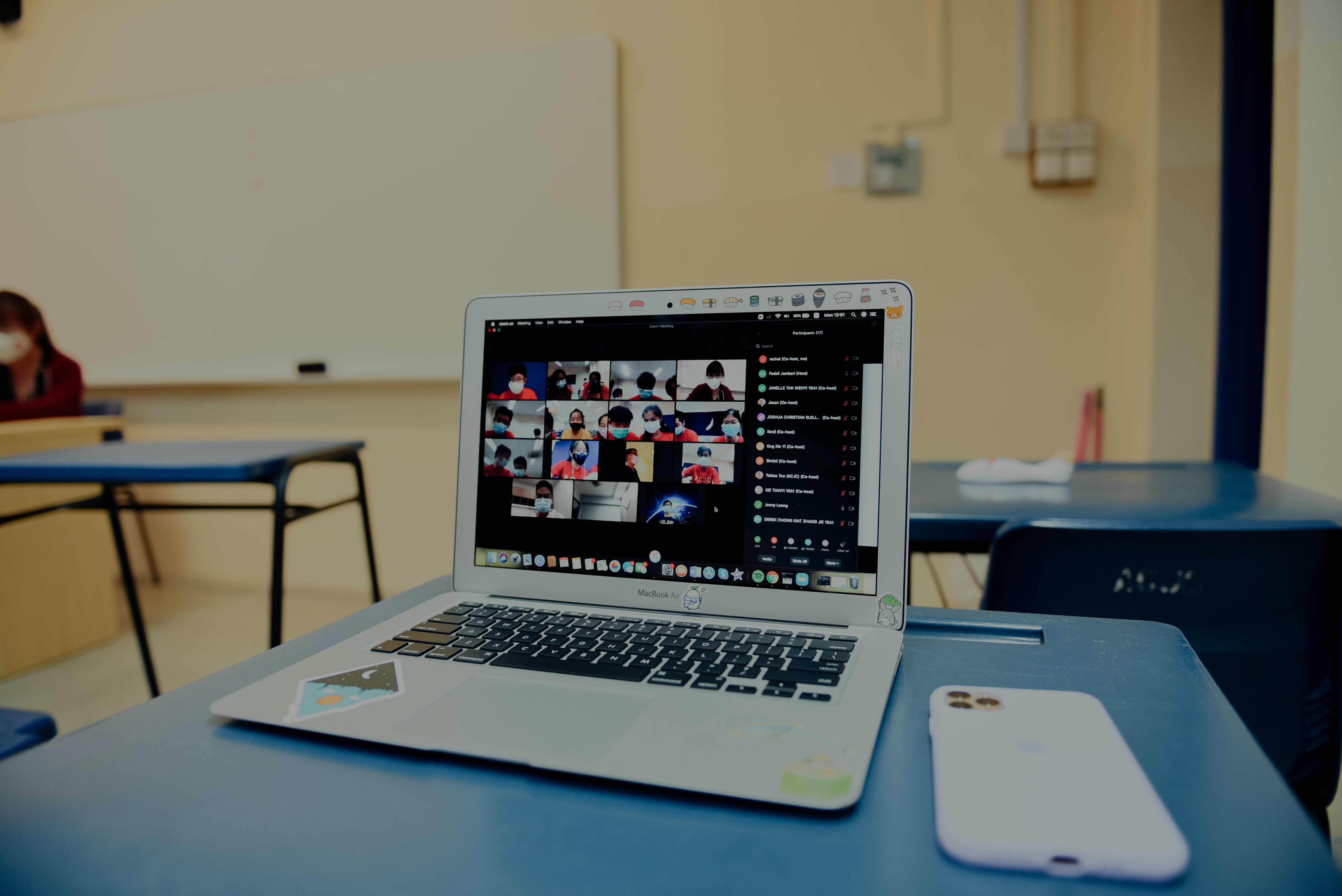 Source: Unsplash
Traditionally, it was thought that learning is best done in-person, not remotely. But the study proved this wrong.
The participants were 248 students in a mass and heat transfer chemical engineering class. Students were split into two groups. One group was tasked with creating an in-person presentation to high school students with a poster and demonstration while the second made videos that were then posted online. Students self-reported the degree to which the method enabled their creativity, risk-taking, teamwork, self-confidence, communication and self-responsibility.
The results found that, at first, students were doubtful about the video format. But, ultimately, the video format unlocked a larger range of experiments that the students could demonstrate. Students were no longer limited to a project that would run for just a few minutes. Experiments that needed hours or days to run could be shown with a simple time-lapse. In-person presentations require students to get the demo right the first time but a video can be reshot unlimited times until they get it right. It also allows them to dream up more difficult concepts with a range of narrative methods. The talking head approach closely resembles conventional presentations, but students could also perform skits, add background music, create a song and add multiple locations, special effects or animation.
The team saw a change in student perception. Before the project, students felt that in-person presentations would have a greater impact on four out of the six learning outcomes. But after the project, the results showed that only social responsibility was positively impacted by the in-person format. Social responsibility is understanding obligations to act for the common good as engineers. The video project did not allow participants to interact with high school students, so social responsibility was lost.
The study was published in the Journal of Chemical Education.