Pyrolysis process produces hydrogen from sewage solids
S. Himmelstein | September 15, 2020Biosolids generated as wastewater treatment byproducts can be repurposed as the basis for a new hydrogen fuel production scheme developed at RMIT University, Australia. The waste materials are converted to biochar that effectively decomposes biogas — also sourced from treatment facilities — into hydrogen and carbon.
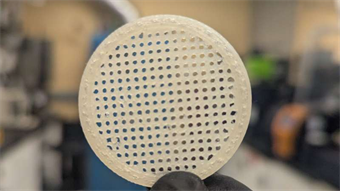
The biosolids-based biochar contains sufficient heavy metal particles to function as a catalyst to split the methane-rich biogas. The process is performed in an efficient, high-temperature pyrolysis reactor designed at  Hydrogen is produced from biogas in a high-temperature pyrolysis reactor. Source: RMIT Universitythe university to yield hydrogen while also turning the carbon into another form of biochar coated with carbon nanomaterials. This value-added product can find use in environmental and energy storage applications.
Bench-scale tests conducted with the patented technology and a methane-rich gas demonstrated a maximum initial methane conversion of 65% for biochar at 900° C in the first half-hour of experimentation. The process, which offers the added benefit of trapping the carbon found in biosolids and biogas and could enable a near zero-emission wastewater sector, will soon be trialed in a utility-scale pilot plant.