The underlying goals of preventive maintenance
December 11, 2019Preventive maintenance is a key part of any successful factory. Regular maintenance minimizes the likelihood of equipment failure and prevents wasteful production downtime. The primary goal of preventive maintenance is to avoid machine breakdowns, but it is not the only goal. Below are a few other preventive maintenance goals.
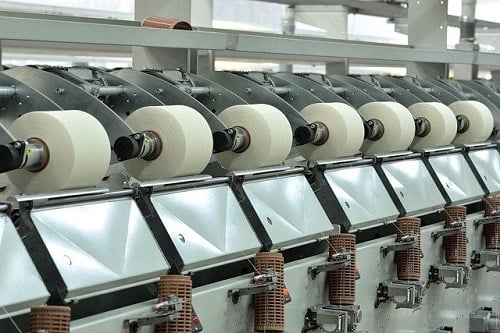 Figure 1: A key component of any successful factory is preventive maintenance.
Reduce energy consumption
Preventive maintenance aims to reduce energy consumption. A machine that does not undergo regular maintenance will have to work harder and use more energy over time to overcome maintenance issues. These issues, like unnecessary friction or build up on air filters, force a machine to work harder to make up for the slower parts. If a machine is properly serviced, it will maintain the same speed of production over time and, consequently, the same energy consumption.
Extend operating life
Regular machine checks extend the lifetime of a machine or piece of equipment. With preventive maintenance, small problems can be detected early before they become big problems. Like cars, there are certain maintenance steps that need to be taken at different stages of machine operation. Many machines require regular oil checks, filter changes, belt replacements and other preventive maintenance measures. Often, these measures are viewed as unimportant or not immediately necessary, but they are important and necessary. If a machine goes without such measures, it can significantly shorten the life of the machine and put a factory at risk of experiencing downtime.
Reduce injury risk
Preventive maintenance reduces the risk of injury to factory workers. Machines that are not properly maintained have a higher risk of malfunctioning and injuring an employee. By practicing preventive maintenance, machines are regularly checked for issues that may cause a malfunction. Checked early and often, problems can be identified and fixed before anyone gets hurt. This practice also ensures that everything is up to code on the machines. If a machine is not up to code, it runs the risk of not only hurting someone or failing altogether, but it also could potentially cost the company money if the machine was randomly inspected.
Reduce number of errors
Fewer errors in day-to-day operations and increased reliability are other perks of preventive maintenance. Machines in tip-top shape operate at the highest capacity possible. If a machine goes without preventive maintenance, it is likely that it will make mistakes over time. Such mistakes are costly for any factory to incur, yet easily preventable.
Preventive maintenance is an important part of any factory operation. It prevents machine breakdowns, reduces energy consumption, extends operating life, reduces injury risk and reduces the number of errors a machine makes. As such, it is important for factories to keep their machines in tip-top shape. If machines are in tip-top shape, so is the factory.
For tips on machine maintenance, contact Radwell International today.